
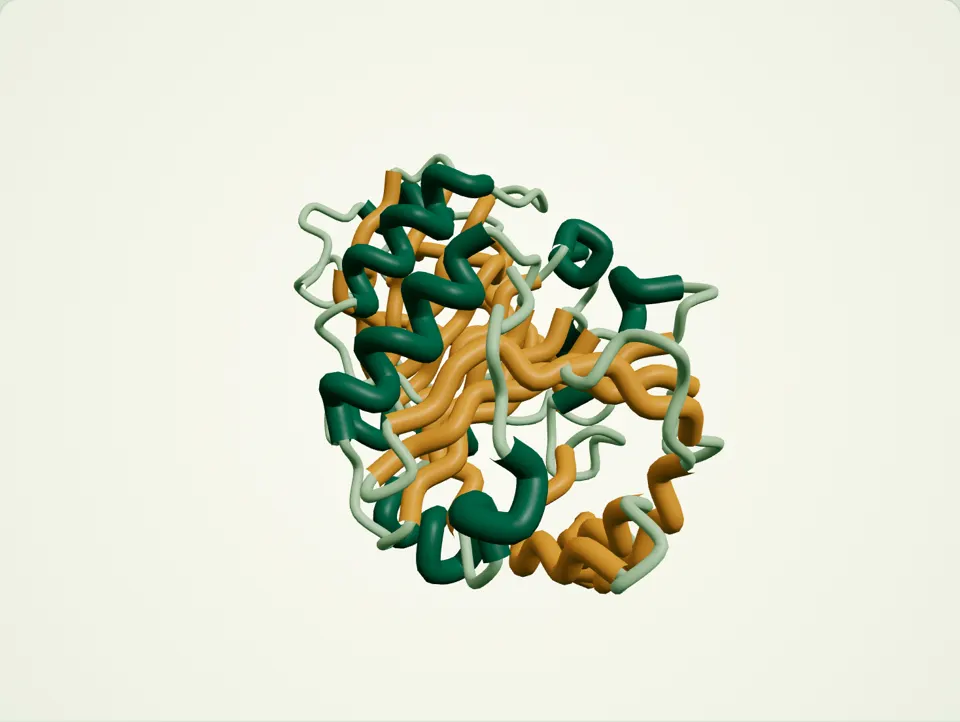
What precision fermented whey is and how it is made
Precision fermented whey is whey protein made by microbes, not cows. A host organism, usually the fungus Trichoderma reesei or the yeast Komagataella phaffii, is given the gene for a bovine whey protein and grown in a fermenter. The protein is secreted into the broth, separated from the biomass and turned into a powder.
The best-documented example is beta-lactoglobulin, the main whey protein of cow milk. FDA records describe submerged fermentation of a pure culture, centrifugation to remove cells, pH adjustment to concentrate the protein, optional filtration and polishing, ultrafiltration and diafiltration, and spray drying. Raw materials and processing aids must be safe and suitable for food use.
Several companies have taken this route to the FDA. Perfect Day described a Trichoderma reesei process in GRN 000863, Remilk described a Komagataella phaffii strain in GRN 001056, and Vivici did the same with a different strain in GRN 001200. A 2025 review adds that sequence identity with native proteins reaches 95 to 99 percent in casein and whey products.
Precision fermented whey and beta-lactoglobulin composition
Specifications show a concentrated, fairly clean powder. In the Perfect Day notice, protein was at least 85 percent by weight and beta-lactoglobulin at least 90 percent of protein, with moisture below 6 percent, ash below 3, fat below 1.5 and carbohydrate below 2 percent. Vivici later listed protein at 85 percent or more and beta-lactoglobulin at 88 percent or more.
Those numbers place the ingredient between a whey protein concentrate and an isolate. Dairy whey protein isolates are also high in beta-lactoglobulin, but they bring alpha-lactalbumin, lactose traces and milk lipids. The fermented version is a nearly single-protein ingredient, which gives predictable functionality but removes the bioactive minor proteins that milk whey contains.
Nutritional quality follows beta-lactoglobulin. A digestibility compilation gave dairy whey a digestible indispensable amino acid score of 85 on the toddler pattern, limited by histidine, and rated casein at 117. Those figures describe milk whey as a mixture, and a pure beta-lactoglobulin may differ, so ask suppliers for measured amino acid and digestibility data.
Cost is the weak point. A 2025 review reports production costs of roughly 210 to 310 United States dollars per kilogram for recombinant dairy proteins, against 15 to 25 for conventional dairy proteins, while noting that strain engineering raised expression efficiency by 300 to 400 percent. Buyers should therefore expect premium positioning until fermentation scale and titres improve.
Functionality of fermentation-derived whey
Functionality mirrors milk whey, because the protein is the same. Beta-lactoglobulin dissolves well, foams, emulsifies and forms firm heat-set gels, which is why whey protein is a benchmark in beverages, bars and yogurt. Gel and foam strength depend on pH, calcium and heat, so formulators test the specific lot at their processing conditions.
Heat stability is a design consideration. Beta-lactoglobulin denatures at pasteurisation temperatures, and acidic clear beverages exploit the fact that it stays soluble at low pH. In neutral high-protein drinks, denatured protein can aggregate, so stabilisers, pH control and gentle heat profiles are used, exactly as they are with dairy whey protein.
A single-protein ingredient behaves differently from a whey mixture. Without caseins, the product does not make a casein micelle network, so it cannot replace cheese structure alone. The 2025 review states that replicating casein micelles and milk fat globule membranes remains a barrier, and that pairing with other proteins or fats is needed for cheese-like products.
Flavour, process and quality control
Flavour is typically clean because the protein is purified from the broth. The risks come from the host. Residual media components, host proteins and colour bodies can impart off-notes if polishing is incomplete, and different strains and downstream processes produce different profiles. Request sensory data on a neutral base, not only on a flavoured shake.
Quality control is intensive. FDA letters record specifications for heavy metals and microorganisms, analytical results from three non-consecutive lots, and confirmation that the production strain contains no antibiotic resistance genes or mobile genetic elements. Buyers can ask for the same documentation, and for host-cell protein data, which regulators and allergy experts consider relevant.
Process contaminants and residual DNA are additional topics in the safety file. Notifiers describe literature reviews and bioinformatic analysis of production-strain proteins to show the host lacks allergenic or toxigenic features. Companies assembling their own supplier files should request the production-organism identification, the manufacturing flow diagram and the complete specification with batch data.
Applications and uses
Protein beverages and sports nutrition are the main targets. FDA letters describe use levels of up to 35 percent in food and list meal replacements and nutritional products among the categories. The ingredient is intended to substitute for traditional whey protein, so formulations mirror those of dairy whey drinks, bars and powders.
Dairy alternatives and yogurts are the second area. Beta-lactoglobulin supplies protein and gelling, while fats, carbohydrates and other proteins supply the rest of the matrix. For readers comparing it with dairy whey and plant options, the dedicated page precision fermented whey vs whey protein sets out composition and cost side by side.
Plant proteins remain the lower-cost option. Pea protein and soy dominate vegan protein products, but they lack the solubility and gel strength of beta-lactoglobulin. Developers often use the fermented protein as a premium functional addition in a blend, and read casein protein for the dairy benchmark for cheese and yogurt structure.
Regulation and allergen status
The FDA has issued no-questions letters for three beta-lactoglobulin notices made by fermentation: GRN 000863, closed on 25 March 2020, GRN 001056, closed on 15 February 2023, and GRN 001200, closed on 28 February 2025. A fourth notice for beta-lactoglobulin from cow milk was closed in 2022 at the notifier’s request. The letters are not an affirmation of GRAS status.
Allergen labelling is the key condition. Perfect Day states that fermentation-derived beta-lactoglobulin is identical to the bovine protein and will cause reactions in individuals with milk allergy, and FDA reminds the notifier that foods containing a major food allergen must declare its presence. Packaging must therefore declare milk, whatever the lactose or animal-free claim.
Academic reviews of precision fermentation proteins note that milk and egg proteins are major allergens subject to mandatory labelling in most countries, and that assessment aims to confirm that the recombinant protein matches the native one. In the European Union, recombinant milk proteins follow the novel food route, so launch plans should check the Union list and national regulation.
Sourcing and supply
Supply is limited and young. Three companies appear in FDA records with different production strains, and a review of the sector lists many more developers at pilot or pre-commercial stage. Capacity, price and availability change quickly, so procurement should rely on current quotations, lead times and the supplier’s regulatory status for each target market.
Evaluate suppliers on protein purity, beta-lactoglobulin share, moisture, ash, host-cell protein, heavy metals, microbiology, solubility at the intended pH and gel strength. Ask for the production organism, the regulatory documents, the allergen statement and the status of audits. Request samples from multiple lots and test them in your own beverage or yogurt base.
Positioning should be honest. The ingredient is animal-free, but it is not allergen-free, and labels must not imply suitability for milk-allergic people. Combining a small share of fermented whey with plant proteins can deliver functional benefits at a more manageable cost, and the case should be tested against dairy whey on price, taste and shelf life.