Alternative protein ingredients · database & suppliers
Find the right protein for your next formulation.
Explore alternative protein ingredients, compare functional properties, and discover suppliers.
Try: Pea protein, Fermentation, Beverages
- Ingredient profiles
- 70
- Supplier profiles
- 161
- Comparisons
- 30
- Regulatory decisions
- 50
Explore protein sources
A world of possibilities. One place to start.



Built for your next formulation
In-depth guides
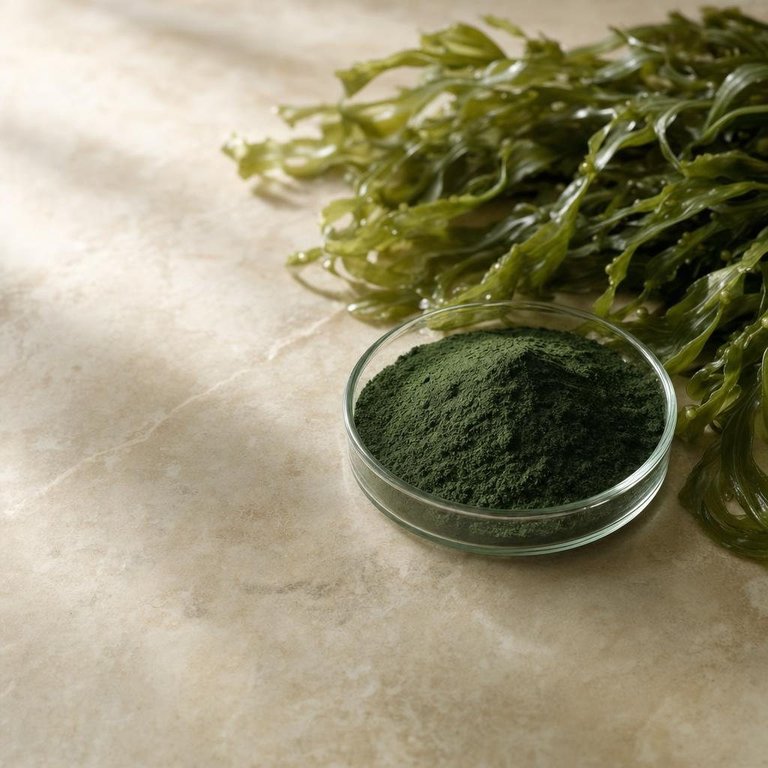
- Types of algae: food applications, nutrition and regulationBuyer's guide to types of algae for food: spirulina, chlorella, Euglena, seaweed and duckweed, with protein data, safety checks, colour use and EU status.
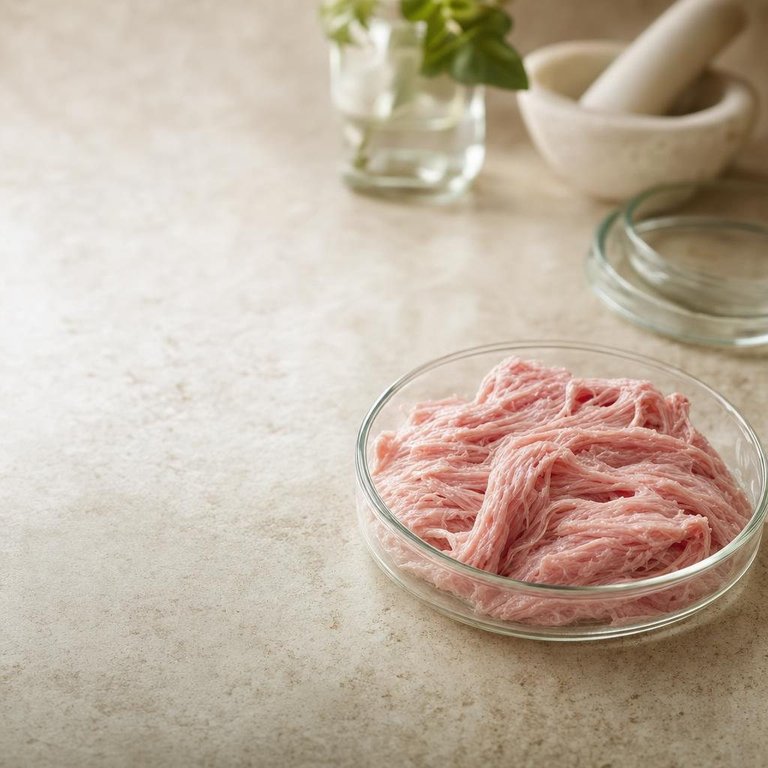
- Cultured meat: cell lines, growth media, cost and approvalsIntroduction to cultured meat: cell lines, serum-free growth media, scaffolds, bioreactor scale-up, techno-economic cost models and approvals by country.
- Precision fermentation: process, scale-up and regulation explainedGuide to precision fermentation and biomass fermentation for food protein: hosts, process steps, specifications, scale-up limits, allergens and regulation.
- Insect protein ingredients: safety, regulation and sourcing guideInsect protein ingredients: safety, cricket, mealworm, locust and black soldier fly forms, allergen risks and EFSA-evaluated specifications.
- Alternative dairy ingredients: sourcing and specifications guideSourcing guide to alternative dairy ingredients: plant bases, proteins, fats, fermented milk proteins, cultures and stabilisers, with specs by product.
How much protein is in your food?
Grams per 100 g and per serving from USDA FoodData Central, with the amino acid each food is lowest in.
- 9 gLentils17.9 g per 1 cup, cooked (198 g)
- 17.3 gTofu21.8 g per 1/2 cup, firm (126 g)
- 8.9 gChickpeas14.5 g per 1 cup, cooked (164 g)
- 31.6 gHemp seeds9.5 g per 3 tbsp, hulled (30 g)
- 4.4 gQuinoa8.1 g per 1 cup, cooked (185 g)
- 10.2 gGreek yogurt17.3 g per 1 container, 6 oz (170 g)
- 11.9 gEdamame18.5 g per 1 cup, prepared (155 g)
- 22.2 gPeanut butter7.1 g per 2 tbsp (32 g)
A database of alternative protein ingredients
New Protein collects alternative protein ingredients in one reference database. Each profile covers what the ingredient is, how it is made, its protein content and amino-acid profile, how it behaves in formulation and where it stands with regulators. Values come from named primary sources, and ranges are shown wherever grade or process changes the figure.
The database is written for people who work with ingredients: food technologists, product developers, buyers and quality teams. It is also readable for anyone curious about what sits behind a plant-based burger or a fermentation-derived dairy protein. Technical terms are explained once, in plain language, and then used consistently across the site.
Plant protein, fungal, insect and algae sources
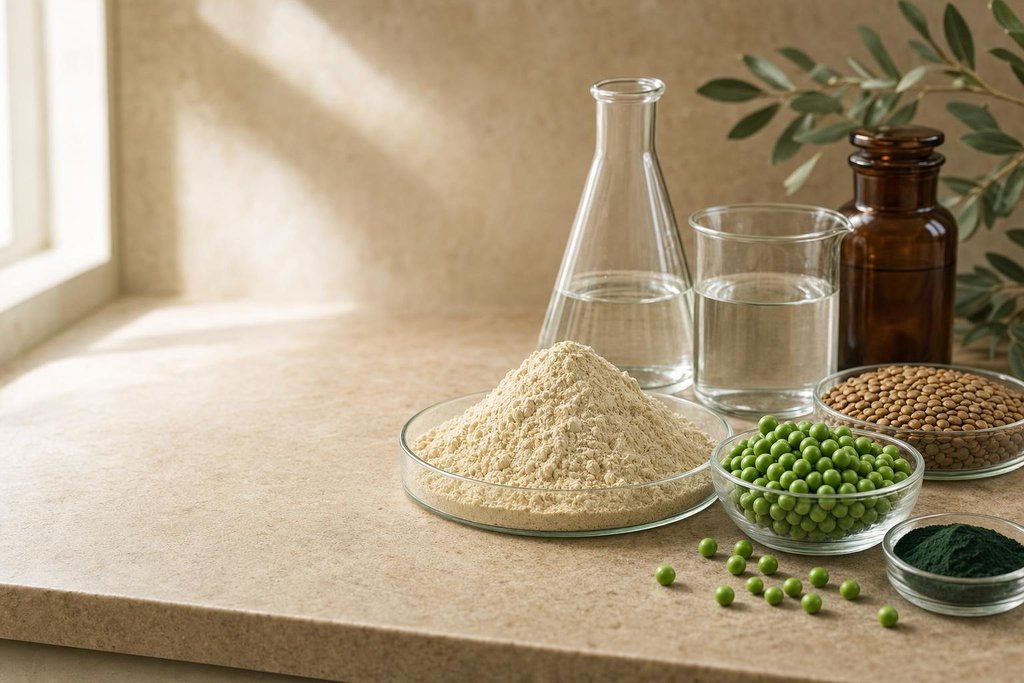
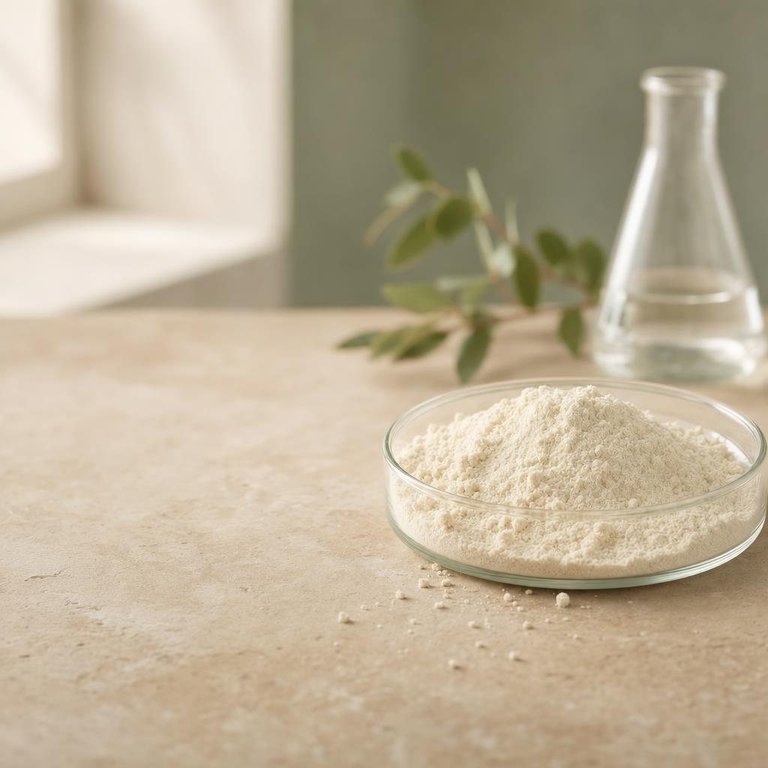
Plant protein is the largest group, with profiles for pea, soy, faba bean, chickpea, sunflower, rapeseed, potato, rice and other crops. Each profile separates concentrates from isolates, because protein content, solubility and flavour differ greatly between them. Extraction route, heat treatment and drying are described where they shape what a formulator can do.
Fungal proteins, including mycoprotein and fermented biomass, form a second group, alongside insect proteins from larvae and crickets and microalgae such as spirulina and chlorella. These sources bring different textures, colours, allergen questions and regulatory histories, and the profiles say so directly. Alternative protein ingredients from these sources are compared on the same measures as crop proteins.
Precision fermentation and cultivated protein
Precision fermentation uses microorganisms programmed to produce a specific protein, such as a milk or egg protein, which is then purified. Cultivated protein grows animal cells in a bioreactor. Both are newer, with fewer approved products, and the profiles report what regulators have decided and what the evidence says about composition and digestibility.
Because these technologies are young, supply is limited and status changes quickly. Profiles therefore carry a review date, and the approvals tracker records the underlying regulatory decisions with links to the regulator's own record. Readers should treat commercial availability as a separate question from approval and confirm it with the supplier.
Protein suppliers and company profiles
The supplier directory describes companies that make or sell alternative protein ingredients. Each profile states what the company produces, the process behind it, the product range and formats, applications, locations and certifications, using the company's own pages and primary documents. There is no paid placement and no ranking of protein suppliers.
Buyers can use a profile as a starting point for evaluation rather than an endorsement. The profiles suggest the questions to ask: specification and batch variability, allergen controls, audit status, capacity and lead times. Supplier profiles link back to the ingredients each company offers, so a buyer can move between the material and the companies behind it.
Comparisons, the blend calculator and the finder
Comparison pages set two ingredients side by side, for example a plant protein against a dairy protein, and explain where each wins on nutrition, amino acids, functionality, taste, cost drivers, allergens and regulation. The facts table is generated from the ingredient records, so the comparison and the profiles always agree.
The protein blend calculator combines up to three sources, takes each share of the protein and returns the DIAAS score, the limiting amino acid and a per-amino-acid breakdown. The finder filters the database by category, functionality, application and allergen status. Both tools run in the browser and send nothing to a server.
Approvals and closures trackers
The approvals tracker records regulatory decisions for alternative proteins: EU novel food authorisations, FDA GRAS notices, cultivated meat decisions in the United States, and approvals in Singapore, Australia, New Zealand and Israel. Each row links to the primary record, and the page explains what each kind of decision does and does not mean.
The closures tracker records companies that closed, entered insolvency, were acquired, merged, pivoted or paused. It exists for supplier continuity: a buyer planning a long contract can see how stable a category has been, then qualify a second source. Entries rest on company statements, official records and mainstream press used to find them.
In-depth guides and how the site is sourced
Longer guides take on the broad questions, such as how protein quality is measured, how plant proteins are extracted or how a novel food reaches the market. They link to the ingredient profiles that illustrate each point, so a reader can go from an overview to the detail without losing the thread.
Every figure on the site comes from FAO and WHO reports, regulators, USDA FoodData Central, peer-reviewed papers or company documents. The methodology page explains how ranges, DIAAS values and functionality ratings are chosen, and every page shows its review date. Alternative protein ingredients change quickly, and the dates show how current each page is.
Frequently asked questions
What are alternative protein ingredients?
They are proteins used in food that do not come from conventional meat, dairy or eggs. The main groups are plant proteins, fungal and algae proteins, insect proteins, precision-fermentation proteins and cultivated animal cells. Each has its own processing, nutrition and regulatory profile.
Which plant protein has the best amino-acid profile?
No single plant protein is best for every amino acid. Soy and potato proteins score relatively well, while cereal proteins are usually limited by lysine and many pulses by methionine. The blend calculator shows how combining sources changes the DIAAS score.
How is precision fermentation different from cultivated meat?
Precision fermentation uses microorganisms to make a specific purified protein, such as a dairy or egg protein. Cultivated meat grows animal cells in a bioreactor to make tissue. They follow different regulatory routes in most markets, and the approvals tracker lists both.
Does the site recommend or rank protein suppliers?
No. Supplier profiles use facts from the company's own pages and primary documents, take no paid placement and carry no ranking. They suggest what a buyer should ask, such as specification, batch variability, allergen controls and audit status.
Where do the figures in the database come from?
From FAO and WHO reports, regulators such as EFSA, FDA, the Singapore Food Agency and FSANZ, USDA FoodData Central, peer-reviewed papers and company documents. Each page shows its sources and review date, and the methodology page explains how values are selected.
Do the calculator and finder store what I enter?
No. Both tools run in the browser, process selections on the device and send nothing to a server. Reloading the page clears the inputs. Nothing typed into them is stored or sent anywhere.
Better ingredients. Better-informed decisions.
Explore the database