
What whey protein is and how it is made
Whey protein is the protein fraction of the liquid left after cheesemaking, once the casein coagulum has been removed. Liquid whey is pasteurised, then fractionated. Membrane filtration concentrates the protein, and ion exchange can raise it further. The result is sold as concentrate, isolate or hydrolysate, depending on how much lactose, fat and other non-protein material remains.
United States food law describes whey, concentrated whey and dry whey as the liquid separated from the coagulum in cheesemaking, with water removed in the concentrated and dry forms. Plain dry whey carries only 10 to 15 percent protein. Commercial products are far more purified, so the same word covers very different compositions.
Isolate is defined by purity. The dairy export association specifies at least 90 percent protein on a dry basis, with typical lots at 90 to 92 percent, lactose and fat each near 0.5 to 1.0 percent, moisture of 4 to 5 percent and ash of 2 to 3 percent. Concentrates sit lower in protein and higher in lactose.
Whey protein nutrition and amino acid quality
Whey protein nutrition is the reason the ingredient anchors sports and clinical products. The dairy bulletin for isolate lists a PDCAAS of 1.00 and a DIAAS of 1.09. A review table built on pig ileal data gives isolate a DIAAS of 1.00 and concentrate 1.07, so figures vary by study, but all sit at or above one.
Those scores mean the amino acid pattern covers the indispensable amino acid needs of the reference groups, and digestibility is high enough that none falls short, even for older children and adults. Plant proteins are often measured against this benchmark, which is why the comparison of pea protein vs whey protein draws so much attention.
Heat treatment can erode the nutritional value in one specific way. Lactose attaches to lysine residues of beta-lactoglobulin through the Maillard reaction during heating, and the extent grows with temperature and time. Lactosylated lysine is less available and can slow tryptic digestion, so low-lactose isolate and gentle thermal processing protect the quality that the scores describe.
Whey protein functionality in formulation
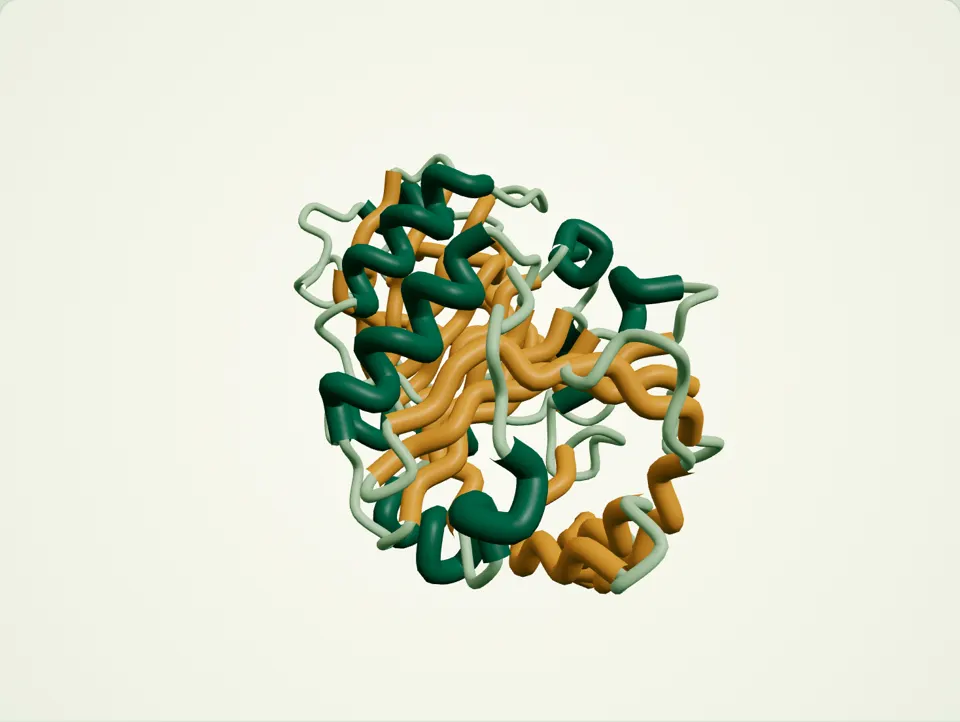
Whey protein functionality is dominated by beta-lactoglobulin, the predominant whey protein in bovine milk. The molecule begins to change shape near 40 degrees Celsius, reaches the midpoint of its transition around 65 and keeps a stable dimer between pH 5.5 and 7.5. These numbers explain why pasteurisation, hot filling and extrusion each leave a different mark on the product.
Aggregation follows a predictable path. After partial unfolding, a free thiol group on the molecule triggers thiol and disulphide exchange, and covalent aggregates grow. Near the isoelectric point, about pH 5.2, heating between 70 and 90 degrees Celsius produces spherical aggregates of roughly 100 to 1,500 nanometres, while at pH 2 the same heat gives fibrillar structures instead.
The dairy bulletin ranks isolate high for hydration rate, gelation, whipping and acid stability, and medium for emulsification and water binding. It is highly soluble, binds little water and foams well. Heat stability is excellent in high-acid beverages below pH 3.5, but above that pH, high-heat processing denatures the protein far more easily.
Processing, flavour and colour issues
Isolate is cream coloured with a bland, clean flavour, so it carries added flavours without much interference. Concentrate tastes more of milk and cooked lactose, which some recipes accept and clear drinks cannot. Scorched particles are limited to a maximum of 15 milligrams in the isolate specification, a sign of how heat history affects a spray-dried powder.
In neutral beverages, the trade-off is between protein load and stability. Unprotected whey through a retort or ultra-high-temperature step gels, sediments or thickens. Formulators lower the protein dose, adjust pH away from the isoelectric region, add hydrocolloids or use dedicated heat-stable grades. Acidic drinks avoid the problem by working below pH 3.5.
The isolate bulletin permits pH adjustment with food-grade acids or bases under good manufacturing practice, which is common before spray drying. Mineral content, ionic strength and calcium level all feed into how a solution behaves under heat. A technologist therefore specifies protein percentage, ash, lactose and the pH of the test solution.
Applications of whey protein
The dairy bulletin lists launches that show the range of uses. A chocolate dessert delivers 30 grams of protein from isolate, a clear lemonade-flavoured sports mix relies on isolate for low-pH clarity, and an iced coffee gives 20 grams per serving from isolate combined with concentrate. A shelf-stable smoothie supplies 12 grams, all from isolate.
Overnight oats with 15 grams of protein, a zero-sugar isotonic sports drink and an almond butter at 35 percent protein compared with about 21 percent in an ordinary one complete the list. The almond butter example matters because it shows dairy protein upgrading a plant-based base, which is one reason hybrid products keep appearing next to fully plant-based ones.
Beyond these, concentrate and isolate go into bars, ready-to-drink shakes, baked goods, ice cream and clinical formulas. In each, it competes with casein, soy, pea and egg. Technologists weigh solubility, gel strength, flavour, allergen position and price against each other, and the comparison with casein is the most frequent first decision.
Regulatory and allergen status
Whey is an established dairy ingredient, so it skips novel food procedures. In the United States, whey, concentrated whey and dry whey appear in the regulation for direct food substances, and the whey must come from pasteurised milk or be pasteurised before use. The dairy bulletin says the isolate complies with the Federal Food, Drug, and Cosmetic Act.
Milk is a major allergen. Annex II of the EU food information regulation lists milk and products thereof, including lactose, among the substances that must be declared and emphasised on the label. It is a milk protein, so every product containing it needs the declaration, and it is unsuitable for people with cow’s milk protein allergy.
Labelling names matter in practice. The bulletin recommends the identification “Whey Protein Isolate” for the isolate. Precision-fermented whey proteins are a separate topic, because they are produced by microbial hosts rather than from milk, and they are covered on the page for precision-fermented whey, including how their allergen labelling differs.
Sourcing and supply
It is a co-product of cheese and casein manufacture, so supply follows dairy processing rather than separate agriculture. Large cooperatives and dairy processors sell concentrate and isolate in bulk, while specialised fractionators supply grades with a defined beta-lactoglobulin or alpha-lactalbumin content. Buyers specify protein level, lactose, fat, ash, solubility and heat stability.
Evaluating a supplier starts with the specification sheet and the intended process. A grade made for acidic clear beverages may behave very differently in a neutral shake, and a concentrate may be adequate for bars but not for a clear drink. Pilot trials with the exact thermal profile are standard practice before a grade is locked.
Alternatives to dairy whey include egg white protein, soy protein, rice protein and yeast protein. Each trades some of the dairy profile, such as solubility, amino acid completeness or clean flavour, for a different allergen, sustainability or regulatory position, so the right pick depends on the brief and the process.